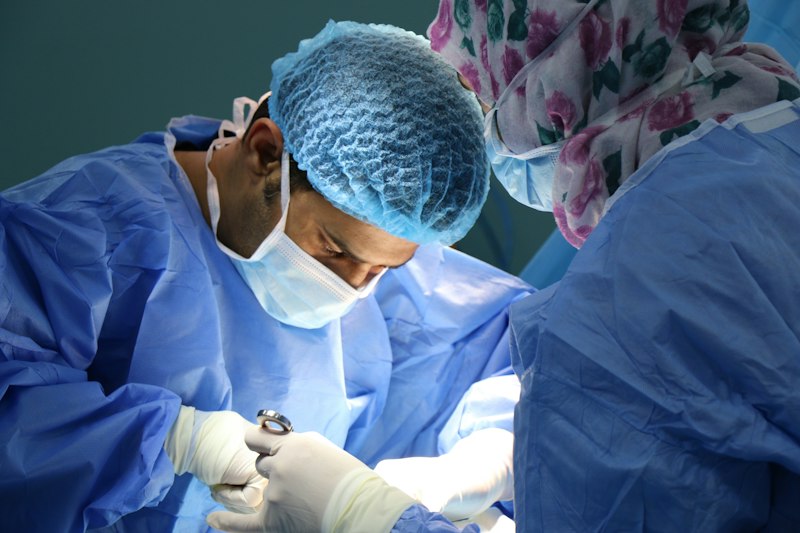
The OT Technician's Critical Role in Surgical Teams
Operation Theatre (OT) technicians — sometimes called surgical technicians or OT assistants — are the members of the surgical team responsible for preparing and maintaining the sterile surgical environment, setting up and instrumenting during procedures, managing surgical equipment, and assisting the surgeon and scrub nurse throughout the operation. Without a competent OT technician, surgical throughput collapses: the preparation of complex instrument sets, the maintenance of sterile field integrity, and the management of anaesthesia and imaging equipment during surgery require skills that take years to develop.
The OT technician role spans the three phases of surgery. Pre-operatively: preparing the OT, setting up the sterile field, checking instruments and equipment, and receiving the patient. Intra-operatively: scrubbing in and passing instruments, handling specimens, managing the surgical field, and troubleshooting equipment. Post-operatively: decontaminating and re-processing instruments, restocking consumables, and preparing the OT for the next case. In high-volume hospitals running 15–25 surgeries per day per OT, the technician's efficiency directly determines the hospital's surgical capacity.
Training and Certification Pathways in India
The minimum qualification for OT technician roles is a DMOTT (Diploma in Operation Theatre Technology), a 2-year programme offered by paramedical colleges across Tamil Nadu and India. The programme covers anatomy, surgical instrumentation, sterilisation techniques, anaesthesia equipment, and OT management. A degree-level qualification — BOT (Bachelor of Operation Theatre Technology) — is a 3-year programme that provides a broader foundation and better prospects for senior roles at corporate hospitals.
Registration with the Tamil Nadu Para-Medical Board (TNPMB) is required for practice in the state. Specialisation in specific surgical disciplines — cardiothoracic, laparoscopic, neurosurgery, orthopaedics — is largely acquired through on-the-job experience at specialist hospitals, though some institutions run internal certification programmes. Anaesthesia technology as a specialisation (working closely with the anaesthesiologist during general anaesthesia cases) is a distinct and increasingly professionalised role at large hospitals, with higher pay than general OT technician positions.
What to Expect in a First OT Position
First-year OT technicians at most hospitals operate as junior members of the team, working under the supervision of senior scrub nurses and OT technicians. Expect a steep learning curve in the first 3–6 months — the names and purposes of hundreds of surgical instruments, the sterile technique protocols that are non-negotiable, the sequencing of routine surgical procedures, and the team dynamics of a high-pressure surgical environment. Most experienced OT staff will tell you that the first year is about learning to anticipate: understanding what instrument, what size, what next, before the surgeon asks.
The emotional demands of OT work are real. Emergency cases, procedures on critically ill patients, and the occasional case that goes wrong create a psychologically intense environment. Resilience, discretion (patient confidentiality is absolute in OT), and the ability to perform precisely under pressure are as important as technical skill. Hospitals with structured preceptorship programmes for new OT technicians report significantly higher retention rates in this high-attrition role.
Career Advancement Opportunities
Experienced OT technicians in Chennai earn ₹25,000–₹45,000 at mid-career levels; senior technicians and OT supervisors at corporate hospitals earn ₹50,000–₹75,000. Specialisation in cardiac surgery, robotic surgery, or neurosurgery OT positions — roles that require specific equipment knowledge and are in persistent shortage — can command ₹70,000–₹1,00,000 at leading hospitals. The career path beyond clinical OT work leads to OT manager (responsible for multiple OTs, equipment procurement, and staff management) or sterile services manager — both administrative roles that leverage OT technical knowledge in a management capacity.