The Role of the Medical Lab Technician in Indian Hospitals
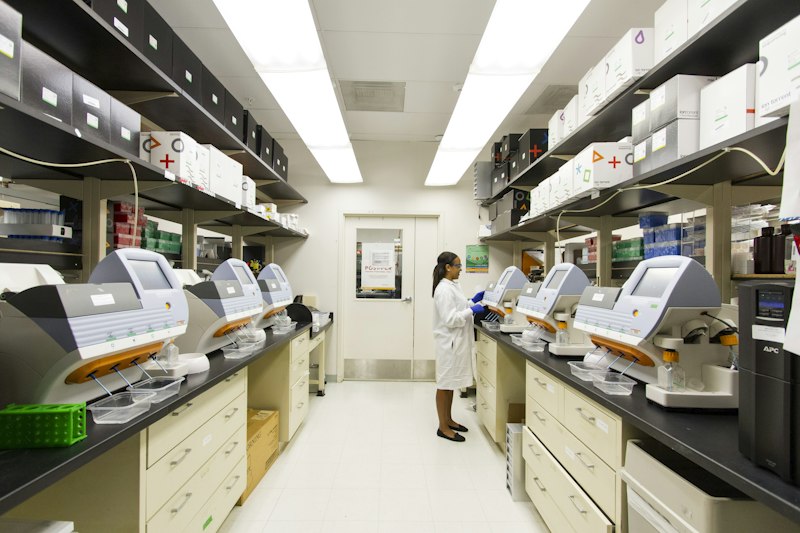
Medical laboratory technicians (MLTs) perform the diagnostic tests that drive the majority of clinical decisions in a modern hospital. Studies consistently show that 60–70% of clinical diagnoses rely on laboratory findings. MLTs operate the analytical instruments used for haematology (full blood counts, coagulation), clinical biochemistry (liver function, kidney function, lipid panels, electrolytes), microbiology (culture and sensitivity testing), and blood banking. In high-volume hospitals, an MLT may process hundreds of samples per shift, and the accuracy and speed of their work directly affects patient outcomes and bed management.
The Indian diagnostics industry has expanded dramatically over the past decade, driven by rising chronic disease prevalence, growing insurance penetration, and the proliferation of standalone diagnostic chains such as Dr. Lal PathLabs, SRL, Metropolis, and Thyrocare. These chains hire MLTs at scale and offer structured career paths. Hospital labs — both standalone and within multi-specialty hospitals — compete with these chains for the same talent pool, creating a sustained sellers' market for qualified MLTs in urban India.
Qualification Pathways
The entry qualification for most hospital laboratory positions is a DMLT (Diploma in Medical Laboratory Technology), a 2-year programme offered by polytechnics and paramedical institutes across Tamil Nadu and India. DMLT holders can enter hospital labs as laboratory assistants or technicians at entry grade. For faster career progression and higher-grade positions, a BMLT (Bachelor in Medical Laboratory Technology) — a 3-year degree — is increasingly the preferred qualification at corporate hospitals and diagnostic chains.
Postgraduate specialisation options include MSc in Medical Laboratory Sciences, MSc in Medical Microbiology, and MSc in Clinical Biochemistry, all of which open academic and research pathways. Certification in specific technologies — PCR and molecular diagnostics, flow cytometry, HPLC, or histopathology — is increasingly sought by hospitals that have invested in advanced diagnostic equipment. These certifications, often offered through manufacturer training programmes, can be obtained while working and significantly improve employability and salary.
Realistic Salary Ranges Across India
Entry-level MLTs with DMLT in Tamil Nadu start at ₹12,000–₹18,000 per month in small hospitals and diagnostic centres; BMLT holders typically start at ₹18,000–₹25,000 at corporate hospitals. With 3–5 years of experience, MLT salaries in Chennai's corporate hospitals reach ₹30,000–₹50,000. Senior MLTs and laboratory supervisors in large hospitals earn ₹50,000–₹80,000. Laboratory managers and chief technologists at multi-specialty hospitals can reach ₹80,000–₹1,20,000. Diagnostic chains in metro cities — Mumbai, Delhi, Bangalore, Chennai — pay at the upper end of these ranges; district hospitals and smaller cities pay 20–35% less.
Growth Opportunities in Diagnostics and Research
Career growth for MLTs branches into three directions: clinical specialisation (becoming a subject matter expert in a particular analytical area), management (laboratory supervisor, quality manager, laboratory director), and research and industry (quality control roles in pharma and diagnostics companies, clinical research organisations, reference labs). The NABL accreditation drive has created a substantial demand for quality-focused MLTs who understand ISO 15189 requirements — a certification pathway that significantly broadens career options.