What Allied Health Professionals Do in Modern Hospitals
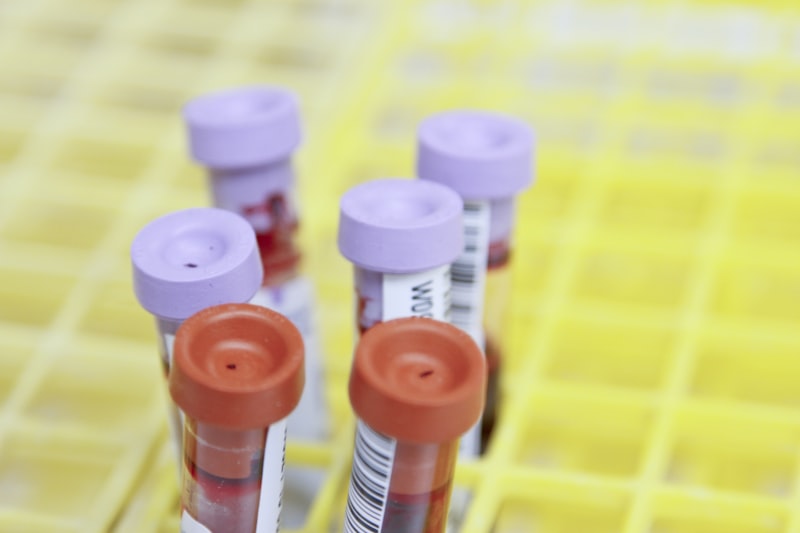
Allied health professionals are the clinical specialists who support, diagnose, rehabilitate, and care for patients alongside physicians and nurses. The category includes over 40 distinct professions: physiotherapists, medical laboratory technicians, radiographers and imaging technicians, pharmacists, dietitians and nutritionists, operation theatre technicians, speech and language therapists, occupational therapists, audiologists, optometrists, dialysis technicians, and many more. Together, they account for roughly 60% of the healthcare workforce in a modern multi-specialty hospital.
The work of allied health professionals is often invisible to patients until they need it — but it is structurally essential to hospital operations. A multi-specialty hospital cannot run its laboratory, imaging centre, OT, or physiotherapy unit without them. Their scarcity creates operational bottlenecks: a hospital without a qualified sonographer cannot perform ultrasounds; one without a dialysis technician cannot run its renal unit. Unlike physician shortages, which are visible, allied health vacancies quietly degrade hospital throughput and service capacity.
The Most In-Demand Allied Health Roles in 2025
Based on vacancy data from hospitals in Tamil Nadu and the broader Indian healthcare market, the most persistently in-demand allied health roles are: Medical Laboratory Technicians — high-throughput diagnostic labs are expanding rapidly and MLTs with experience in haematology, biochemistry, and microbiology are consistently in shortage; Radiology and Imaging Technicians — CT and MRI operator scarcity is a specific pain point at hospitals that have recently installed new imaging equipment; Physiotherapists — needed in orthopaedic, neurological, cardiac, and paediatric rehabilitation programmes, all of which are expanding; and OT Technicians — high-volume surgical hospitals face persistent OT technician shortages, particularly for laparoscopic and cardiac surgery specialities.
Dialysis technicians, pharmacy officers, and dietitians round out the most frequently reported vacancy categories. The expansion of chronic disease management in India — diabetes, ESRD, hypertension, and obesity programmes — has driven specific growth in these roles, which were historically less prominent in Indian hospital hierarchies but are now central to the clinical model of tertiary care hospitals.
How Demand Varies by Hospital Type and Location
Teaching hospitals and medical college hospitals have the highest absolute demand for allied health staff because they operate the widest range of clinical services and have the largest volume requirements. However, corporate hospital chains often offer better pay and more structured career development for allied health professionals. The geographical variation within Tamil Nadu is significant: Chennai hospitals offer the highest salaries and most specialised roles, while district hospitals in Madurai, Coimbatore, Salem, and Tirunelveli offer less pay but often better seniority progression opportunities due to lower competition.
Speciality hospital environments — cardiac hospitals, cancer centres, orthopaedic hospitals, children's hospitals — create specific demand for allied health professionals with matching specialisation. A physiotherapist with experience in cardiac rehabilitation, for example, commands a premium and is actively recruited by cardiac surgery hospitals. This specificity means that building a specialisation within an allied health profession dramatically improves both employability and compensation.
Building a Career in Allied Health
Allied health careers in India have historically suffered from poor professional development infrastructure compared to nursing and medicine. This is changing: professional associations for physiotherapy (IAP), medical laboratory science (IAMLT), and radiology technology are now more active in certification and continuing education, and several universities have introduced postgraduate programmes in allied health management and specialised clinical areas. Pursuing a postgraduate qualification in an allied health specialisation is now a realistic and career-accelerating option.
The most effective career strategy for allied health professionals is to build a specific clinical reputation — to be known as the best X in a particular clinical area or procedure type — rather than being a generalist. In a hospital where five lab technicians can handle routine haematology, the one who has specialised training in flow cytometry or molecular diagnostics is the one who gets retained and promoted. Identify the niche within your allied health role that is in highest demand, build the training credentials, and market yourself specifically on that expertise.